
Keynote – Leading at the Edge Lessons from the World’s Highest Peaks Dr Ilknur Colak, CTO, Sc
About this talk
In this talk, Dr. Ilkner Kolak, CTO at Schneider Electric, shares her experiences and insights on leadership and resilience drawn from her adventure of conquering the seven summits, including Mount Everest. She reflects on the challenges faced during her climbs, emphasizing that true leadership is revealed during difficult times, much like how storms reveal a person's character. Dr. Kolak discusses the importance of belief, commitment, and teamwork in overcoming seemingly impossible tasks within organizations. She illustrates how her leadership transformed a stalled project into success through unconventional teamwork and clear communication. The talk emphasizes the need for leaders to create clarity in chaotic situations and how overcoming personal limits is essential for growth, both on mountains and in one's career.
Full transcript
Hello everyone. Good morning. Hopefully you slept well, had some great breakfast. I heard some of you went to yoga early this morning. That wasn't me. I woke up I woke up late. Grabbed some extra coffee. We've got a great second day. Um we'll wait just uh to get the last few people coming into the room. Uh I thought yesterday was amazing. I loved hearing so many stories
about leadership transformation, some of the struggles that you you all are going through as leaders and sharing your experiences, finding what's working and what's not working. Today, uh we're going to kick things off with a incredible story about leadership, about resilience. I'm so excited to introduce you to Dr. Ilkner Kolak, CTO at Schneider Electric. She's going to take us somewhere that uh some of us have never
been. I was talking to her earlier this morning. This is not something that I'm going to do, but I love hearing how she's conquered the seven summits. She's going to share leadership lessons from this uh about resilience, about pushing through, and really getting to what you can do. So, Dr. Kak, please join us on stage. >> Thank you, Nha. May 18, 2025. I stood on the top
of the world, the summit of Mount Everest. It is a place where you see the the whole horizon, the world is curving and all those mountains, 7 8,000 meter mountains once they look unbelievably high. They look so tiny, so small. With that final step, I finished my seven summit project once it looked unbelievably distant. But at that moment, it was not about the glory. It was not
about the Trump. It was not about conquering a mountain. It was everything behind it. Many years of planning, preparation, dedication, hard work, doubt sometimes. and the people the love and the support of the people in my life who sometimes didn't even understand why I am doing this. So when I came back from Everest, I went to visit my parents and I was showing them the photos and
the videos. A few of them you will see today. And um when we were going through the videos, my mom start you know her motherhood complaints. Uh why are you doing this? What is wrong with you? What did I do wrong while I was raising you? I think you some of you can relate, right? I stopped the video. I said, "Mom, do you remember what were you
doing one month ago on Saturday?" She said, "No." I pressed, "Do you remember what were you doing last Saturday?" She told a few more seconds. She said, "Not really." I said, "You may not remember what you watch on Netflix last night, but I will remember for the rest of my life what I was doing on May 18 at 8:30. My name is Ziknak. I work at Schneider
as CTO. And today we are going to talk about the summits. The summits on the top of the mountains and the summits in our organizations. One word, impossible. We use it very often and often we use it in the wrong way. When you look at the the word itself, it's not a maths problem. It's not a physics problem. Quite often it's a belief problem. It's a purpose
problem. It is a commitment problem and it's a consistency problem. So many years ago um I joined to a company or a research center where more than 10,000 people are working in that organization and there was an ongoing project for the last uh three years and um within those three years they produced only papers and reports nothing more than that only one year left to complete the
project and everyone was saying this is impossible there is no way to finish this. So I teamed up five people. We start working day and night for this project. And um two months before the delivery we turned underground uh forgotten hungar into a laboratory and that laboratory became my home. For those two months I was not going home. I was sleeping, showering and eating and working in
that place and then two days left 48 hours. Now impossible became a maths problem. Everything was lying around and nothing was complete. There was no way that we finish what you see here in those 48 hours and deliver it. What I did was a little bit unorthodox. I went to different laboratories and I start asking people if they can help us. Physicist, biologist, chemistry, engineers, everyone who
has nothing to do with power electronics, no knowledge in the domain, but they knew one thing, hard work, teamwork. So I I collected together more than 40 people and then I was like first thing I did explaining people what we are doing and why we are doing this and how they will contribute in this picture. So I was going to one guy okay here are the cables
that is how you will cut them and this is the drilling machine this is how you will use it to open a hole in the bus bar these are the en enclosure pieces this is how you will assemble it and so on. People were energized. You I cannot describe you the environment. Everyone was running around trying to put the things together and then coming back. Hey ilk,
I finished this. What shall I do next? So 48 hours nobody went home and nobody rested. We finished everything. We loaded the system uh to be sent to Italy. This grownup people, they were jumping around. They were hugging each other. They were clapping. And some of them had tears in their eyes. One of them might be me. I have to admit. Um, and I was only 21
years old that time. And the people for 40 plus people, they were at least twice of my age. So this experience or this this project showed me that age, gender, you know, all those things are just parameters. As leader the first thing you need to do is to explain the belief to show them why we are doing what we are doing. In the mountains we say one
thing mountains don't create the character. The storm reveals it. The storm shows you what you are really truly made of. So in business we we say the leaders are not defined in sunshine. They are defined during how they operate during the blizzards. If you believe in something, if you commit to it and if you convey the message to your people, they will follow because at the end
of the day, the purpose energizes people more than any bonus will ever do. um I was climbing Mount Elbrus, the highest point in uh in Russia. Just to give you a little bit of glimpse how the typical day in the mountain looks like. This is how you wake what you wake up in the morning. So uh summit night at midnight we woke up. We were going for
the summit push crazy storm and uh we asked to our guide is it the right time you know to go to summit push because we have crazy storm. He was not a well-trained uh person. He said, "Oh, don't worry. It will get better." The storm get worse and worse and worse and the visibility decreased to zero. I was right behind the guide, but I couldn't see more
than 50 cm. So, I was hardly following him. So, we managed to get to the summit somehow. We we didn't even look like human beings anymore. We we had frost bites everywhere. My face was full of uh all sort of things, you know. I part was purple. but when we were going down, we were exhausted, hungry, without water and and food. Um I start sliding down from
the cliff. And the first thing I did, I I blade myself with the iceax and then I was trying to hit to the uh ice wall with my krampons, but this the fresh snow was so thick. I was trying again. The more I was trying, the more I was sliding down. And when you are in that altitude and when you do so fast uh movement there is
lack of oxygen of course you black out. That is what happened to me for a split second. I couldn't see everything was just black. When I open my eyes I'm like oh I'm hanging on the side of a cliff and if I don't do anything I'm going to die here. Nobody will come and rescue me from from here. So I had sudden adrenaline push. I'm like I'm
not going to die here. I am not going to die here. So I start climbing back all those 50 meters. Uh don't ask me how. And then um I managed to find the rest of the team. I joined to them. But the story wasn't over there. We had a team member uh David. He start hallucinating. He was like did you see the coffee shop there? Did you
have coffee there? I'm talking about endless white. We are on the top of the mountain. There is nothing there. Definitely not a coffee shop, right? And then a couple of seconds later, uh, David collapsed. He he fainted on me and I had to now not carry only myself in that bizard. I have to carry also David. So I start calling my my team members and I'm I
was asking for help. So we teamed up. We start carrying David together. One was holding the the leg and the arm and so on. And then every time we were getting tired, we were uh rotating uh because you are in a very very harsh conditions. So we came back that night after 17 hours of terrible uh storm and we all had frost bites and a lot of
other issues. But nobody nobody celebrated reaching to the summit. We celebrated one thing quietly coming back together as a team. In business sometimes visibility will decrease to zero. Your road map will disappear. You need to remain calm and you need to sometimes rescue yourself and your team and uh also you know world work when when the world is is shaking around you. And as leaders you need
to remember one thing the success is not about reaching the summit. success is bringing all the teams safely safely together. So um right before um in 2016 uh 16 I was hired in a in a company uh they had mechanical background but they wanted to go to power electronics domain. They had the vision but they didn't have the background to do it. So they hired me to
create this this department for them. So the first thing is I was I created the road map. I created the budget and the the milestones project planning and everything. So I showed the plan to our stakeholders. There was a deep silence. Then CTO's talk he said we are talking about tens of people and double digit million euro. I said yes that is the required effort if you
want to get there. So we had couple of back and forth. I was trying to explain them why we need certain resources certain budget and effort to get there. I broke it down into smaller pieces and so on. But then I I stood back and I was like we are talking about you know different languages here because pe these people they have mechanical background and now they
are trying to enter to a different market tier one uh market and I need to speak with their language. So they are telling me I am hungry. I'm giving them a big elephant and I am telling them you know eat it but there's no way that they can digest it. So I need to chop it into smaller pieces to make it digestible for So we did a
couple of iterations. They were getting there but they were not there yet. So I did again something a little bit unconventional. I wrote a long email to our board members. I said look you are going to a car dealer and you are telling them that I want to buy a Jaguar and this is my uh uh budget and then they are telling you oh with that budget
I can give you a tire. So when you get the tire, will you be a tire owner or will you be a jagar owner? So let's make one thing clear. Do you want to go from A to B? If so, then Fiat will do the job. Or do you want to become a Jagar owner? Because this is the most precious, you know, technology today in the market
and if you want to get there, you cannot do it halfway done. You need to be fully in. So the next day I was expecting that okay here is your package you need to leave the company but the next day I received a short message saying that you get the budget get it done. It was a very bold move but I learned one thing or or it
remained with me. Your technical expertise will earn the credibility but sometimes you need to have the courage to to to create the transformation in the organization. As CTOs or or leaders here your job is not only to develop technical knowledge or tech or the products. Your your responsibility is also to turn the complexity into clarity to create vision and also to turn the vision into architectures. And
sometimes you need to be also bold to say that this cannot be done halfway. So uh right before co I went to uh Karsten's pyramid the highest point in Oceania. So um this place is this is a very technical mountain but when we arrived there we realized that actually there's an ongoing domestic war which is not visible to outside world. So we were trapped in a small
place. We we were we were uh there was you know there were big walls right behind the walls a big war was going on people were sluttering each other and then the charter flight that we were supposed to take from Timika uh it was shot and then later on we wanted to take the the trucks with the uh uh miners and they were also shooting those trucks
and eventually our uh guide he bribed the uh government. We we got two uh pilots from New Zealand and we managed to get to the uh base of the mountain. So um in the meantime, our guide and organizer, they had a fight and the guide decided not to join us. So we were completely alone, seven people in the middle of nowhere. There was no guide, you know,
absolutely nothing there. So I'm talking about a mountain where, you know, like it's very technical. You need to have rock climbing, rock climbing and uh you know you you have to be in the storms and rain and then you are going through like all the jungles and the you know like uh uh you fell into the rocks and uh it is completely a madness place. It's like
Indiana John area and then the guide said here is the mountain go and climb it if you want to climb. So I had I had to take the challenge otherwise you know nobody else would would be bringing me to the top of the mountain. So I climbed alone to that mountain. But again the story was not over there. When we were going down we had to go
through you know like all these jungles and the rivers and so on. There's absolutely no pet. You need to create your pet. And we didn't have food for two days. No food. So I had only one chocolate bar and I had to strategize it every day you know like every two hours I was having a small bite just to keep going and you are carrying massive you
know load with you there is no porter or anything and you are going like 25 30 kilometers per day again it's not walking in the park you are climbing it's a technical climb we saw um in the middle of uh jungle we saw a tribe a cannibal tribe uh they don't eat people randomly they asked their permission. Uh so I can tell you more about it in
the break. Um so uh when they saw me uh you know like the only woman in the group they came and they were touching to my skin just to you know like analyze me or or they were curious I think and I had to stay calm. They had this big mash you know like in their hand and then that night we stayed with them. They gave us
food basically sweet potato and then when I was putting up my tent this 10 big guys with their masha test they were guard they were uh just circling around my tent. I was not so sure if they want to eat me or if they want to guard me but I was thinking if they want to eat me you know there are bigger guys in the team probably
they will start first with So um that time you know like I learned that you may not have always you know perfect conditions to get started. You may not have always you know permanent guidance and you may not have always resources to continue. You need to strategize and you shouldn't also let the fear to dictate your decisions. If I wouldn't climb that here I had to wait
at least for another six years to get there. It is really really difficult place to get and to get the permission also. Uh that year we were the only team who managed to get to the summit and only end of last year they open it back So um I joined a company and uh I found myself in an ongoing uh program. every week or every two weeks
we were uh meeting and mostly uh VPs and SVPs were getting together 15 to 20 people. In the beginning it was quite interesting. I was learning about who is doing what and so on. But me being me I cannot keep quiet. I start asking questions. What did we develop in this program? Oh nothing yet. What are we going to develop? Oh we will figure it out. How
long are we doing these meetings? Oh, two years. I was getting crazy. Two years and no outcome. So I said, okay, I have to do a calculation here. I calculated so about€2 million euro was we were spending for inaction 2 million. At the same time, I was pitching an idea to the customers and also to our stakeholders about a disruptive technology. And the first EVP told me
look we don't do this kind of organic growth for this kind of technologies. If you want to have this you need to go and buy a company. The second one told me you should stop insisting on this one. If you continue you will get fired. Again me being me I don't take answer as no. I keep going. And then I needed one believer. One believer is enough
for you to get started. And I found one believer. I explain what we need to do, why we need to do it and how we can make a difference in the market and why us and why now. So in the at the same time I used the this other project I said look don't be scared we already spend you know half the money for inaction I think
if you put there a little bit more money I will give you a product. So today we turned this idea into a whole new department. So if I would let you know this this comments to intimidate me today we would have nothing. So um what changed not the organization not the market not the technology but the mindset has changed. I had to step step back think and
reflect and then tell the people what we need to do. So basically we stop meeting to discuss about the feature. We started to create mount Everest. It takes about two and a half months uh to complete the whole uh uh circle or whole rotation. As if it is not difficult enough, I wanted to do something uh extraordinary. So I wanted to decrease the time to less than
half which is called speedy ascent. So if you want to do speed ascent you need to do certain preparation which is called acclimatization. So what you see here in this picture on the upper uh photo I'm using the oxygen mask at home uh to simulate the certain altitude at home. But you need to do like between 500 hours to 1,000 hours to get the proper optimatization and
to start creating the enough uh red cell in in your in your body. But because of my working style or lifestyle, so I was able to do only 50 to 60 hours. I got to the mountain uh certain high altitude and I I joined to the rest of the team. Uh they were already in the mountain for uh for a month. They did all the acclamatization. They
did also their first rotation. If you don't know what is rotation, rotation is you start from base camp, you go to high certain altitude, you spend some time there, you come back, you rest, you go higher altitude, you spend some time, you come back. So you need to do this multiple times to get the proper opatization otherwise you will be dead. So um we were trying to
go uh for the first um first rotation and then we start at midnight. we reached to the uh kind of beginning starting point of the Kumbbo ice fall and then 200 meters area collapsed completely. Maybe you heard it in the in the media. It was a quite a big thing and then they were like going back. We are going back. You you need to return back. So
we came back to uh base camp. We had to wait for uh two days because the the uh ice doctors that is what they are called they had to fix a new uh route for us. So I was getting very nervous. I was way behind everyone. I didn't do any acclamatization. I didn't do a rotation. So and then there was this very short weather window. Normally you
have like two three days to reach the summit. Um the second time two nights later we started again. Uh this time we were in the one-third of the Kumba ice fall. We were hit by an avalanche and then we had to go back. You can imagine my mood. I start really having self-doubt. I was thinking okay this is it. I'm going to So third time charm. A
few days later uh we crossed the Kumba icefall but the whole mountain was trying to you know uh cross the kumba ice fall because everyone was waiting for for that moment. So we had a crazy traffic so I had to wait uh behind everyone and it was way too slow for my speed because I know my heart rate. I know what sort of you know uh clothes
I need to wear. So uh when I reached to camp one I was completely destroyed. I was coughing like crazy. I was so cold and then my guide told me hey maybe it is time to go back because you are really sick. I am not a quitter. I said no I am not quitting. I will keep going. The next day we reach to come to my coughing
get worse and I start coughing blood. Um again they were like okay now it is time we need to bring you back and comp two is the the last point where the helicopters can come after that they cannot uh rescue you are kind of on your own I'm like no I am not quitting so I kept going a little bit higher towards come tree and then I
spend in total seven days I came back normally when you uh come to uh lower altitude your symptoms gets better uh but you are still at 5,300 100 meters right you are not fully recovered at the same time uh the base camp was like a Texas chance of massacre everyone was getting sick everyone was leaving the the mountain one after another per day we were getting maybe
like 10 helicopters to rescue people it was so devastating and I I think we had also the highest uh record uh of people getting sick at least 500 people got extremely sick uh that season and I was thinking okay I have only three days left and I have only this this weather window either I climb or I have to quit so how can I accelerate my recovery
there is only one way you need to go back you need to step back you need to reset you need to re-energize so I went all the way down to Kathmandu I had proper shower or I had shower I had food, proper food. I had bed so I I can I could recover, I could re-energize and and also mentally I could get better. So after those three
days when I came back to base come I was completely a different person. I said I got this. I will climb to this mountain. I have everything. I did many years of training. I I am physically ready and I am mentally ready. Now I got this one step at a time. So if you are curious uh I can show you this is the from the Hillary step
like about uh for roughly 45 minutes uh before the summit and you see I was not lying. The world horizon is curving. You see it there. And this is a good weather by the way. Perfect weather. And this is at the top. >> So it is quite a tiny area. And uh we have like crazy wind uh coming. So you see the people who are coming from
the Tibet side and from the Nepal side and also the the other side is the is the Tibet side. So you you meet in the in the middle it's super super tiny area. Uh so you need to be super careful uh to to stand up there. But climbing the mountain is extremely challenging but standing up there is even more difficult. I think you can also relate right.
So in your in your career going up is is very tough, very difficult. It requires a lot of discipline and preparation but standing there you know above the clouds is is gets getting even more difficult. So in the mountains the weather can change in any instant. It can be so harsh so brutal and it is completely unpredictable. One little moment, wrong movement or one's wrong decision is
enough to kill you. Today we are living in a world in a similar world where we have geopolitical tension. We have crazy acceleration on AI. We have economical uncertaintity. So the conditions are quite similar to to the mountains. But this is the environment where true leaders are born, right? So you may not have always guidance or leadership. In that case, become one. If there's uncertainty around you,
create clarity. If you have fear in your organization as a leader, reflect calm. And if there is cause then create purpose. There will be people in your life they will come and tell you but this is impossible. There is no way to do that. Just smile and tell them that impossible is waiting for its leader who has purpose who has commitment who has who has conviction to
get it done. So now I want you to do something for me. Could you please look at the person on your right? your left? Yes, you are looking at the leader who will turn that impossible into possible whatever your Everest is. Thank you. Good question. Um, it doesn't mean that uh you don't push enough. Uh, the question is are we all aware a aware of our limits?
Do you know what what is what what are you capable of doing? How much more you can go? when I started you know climbing the mountains this was an idea this was my childhood dream but I didn't know how far I can go I promised myself one thing when I come to my limits I will stop because I want to do this again and I have people
at home that you know like they are waiting for me so in your career this is the same thing you need to know how much you need to push and how how when to stop when to reflect and look at the whole picture. I think someone was asking what is the toughest mountain I I climbed. They uh yeah, they were all uh different. Uh um so in
terms of real mountains, I think um Alaska was very challenging. Everest was definitely very challenging. So they were all all all challenging in a different way. And uh in career I think I always say that you know like leading a technology you can always create a guideline for it. You can also create a a guideline you know like to lead the team and to hire the perfect
team and to lead the team. But I think what is more challenging is you know navigating you know between uncertaintity and so on and also you don't know what is happening in people's life and what is in their mind. you cannot read people's mind and you need to strategize you know yourself you know maybe he's having a bad day maybe that's why how he's talking today or
you know maybe you need to sometimes keep distance if there's a toxic environment you know around you um I think we come to the end of the uh one question >> sure um there's why did you climb the mountains I didn't I didn't get time off uh basically please. So, uh I trained every day. Uh so you don't you don't get it in one time, right? So
every day religiously I trained. I said okay between this and this time it is my training time. I am not taking meetings. Typically it was between 7 to 9:00 p.m. in the evenings. Uh and when it comes to taking this long time to climb the mountain, I saved all my holidays and I had agreement with the company saying that okay, I'm not taking holidays for instance the
entire year. And um I work also on the weekends and so on. So I used the the all accumulated time for it. But I I did all the preparation before I left I have to be honest. So I delegated all the work and explain what they need to do during during my absence. So it was all about you know planning and preparation. Thank you for your attention
and uh for for joining me today.
More from this event
See all 36 talks →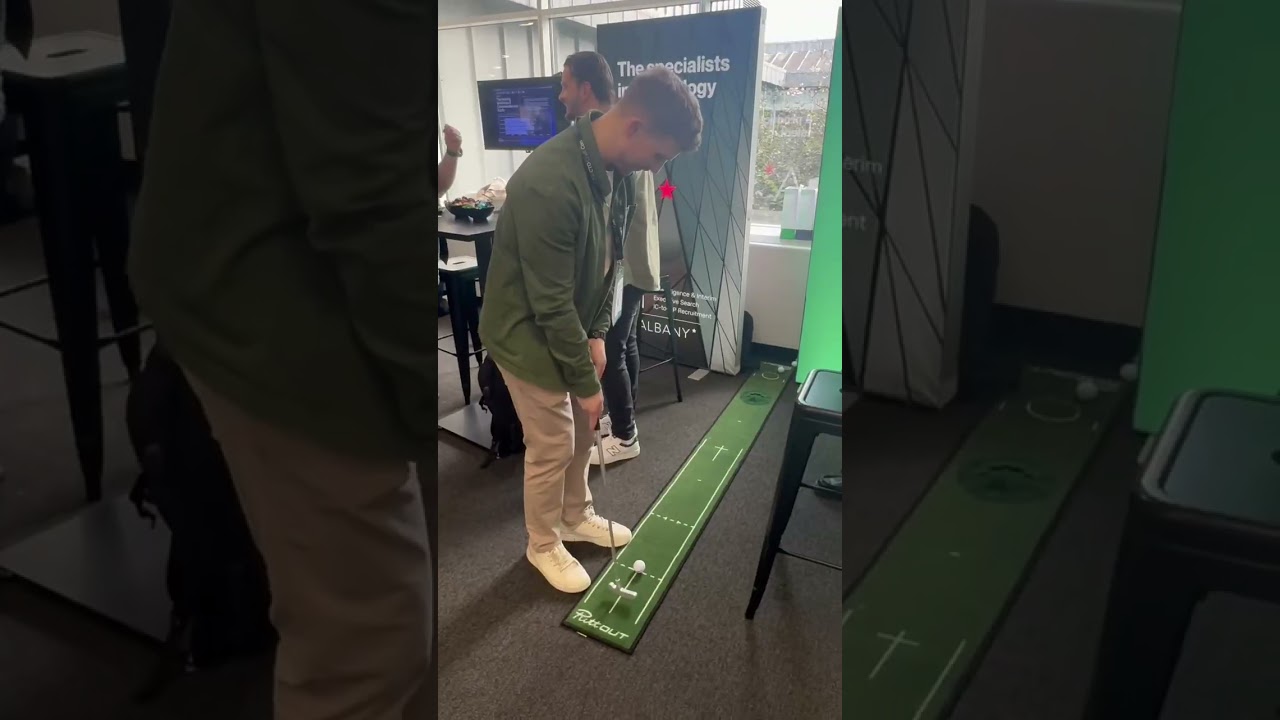
Inside CTO Craft London’s tech scene. ⚙️✨#CTOCraft #TechLeadership #cto #techevents
0:28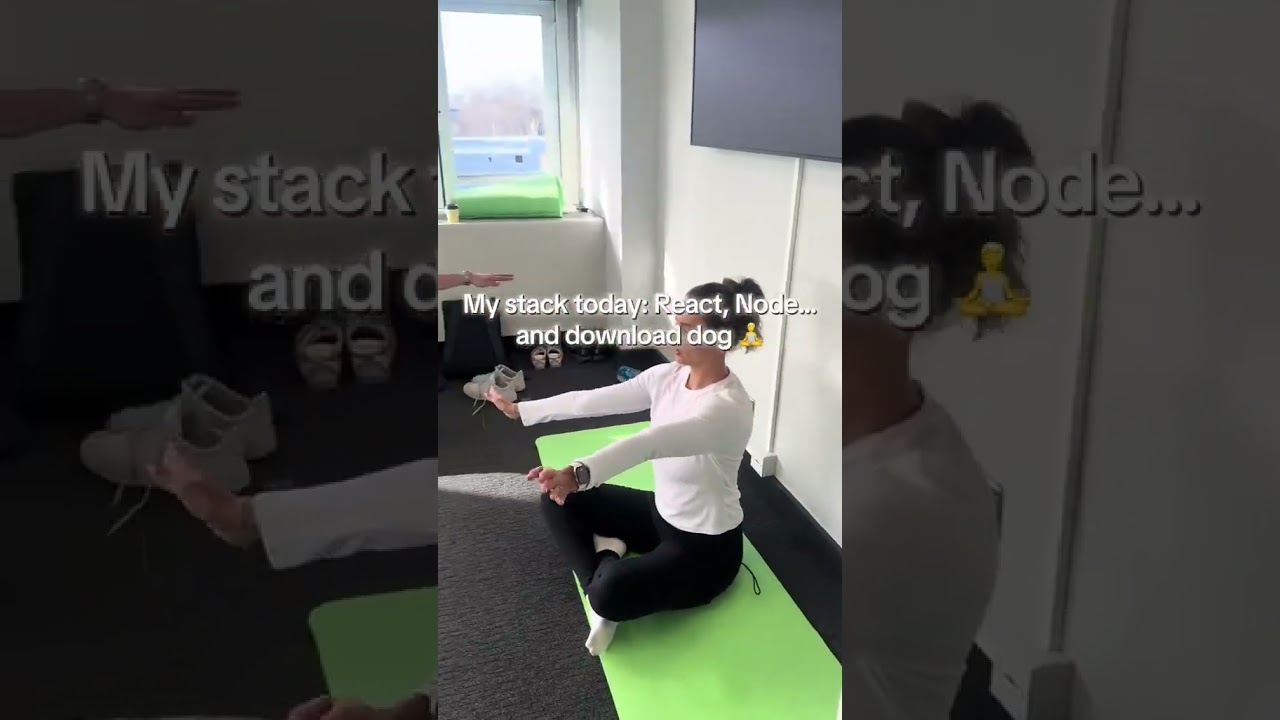
CTO by title, yogi by unexpected conference agenda. 💻🧘✌️
0:06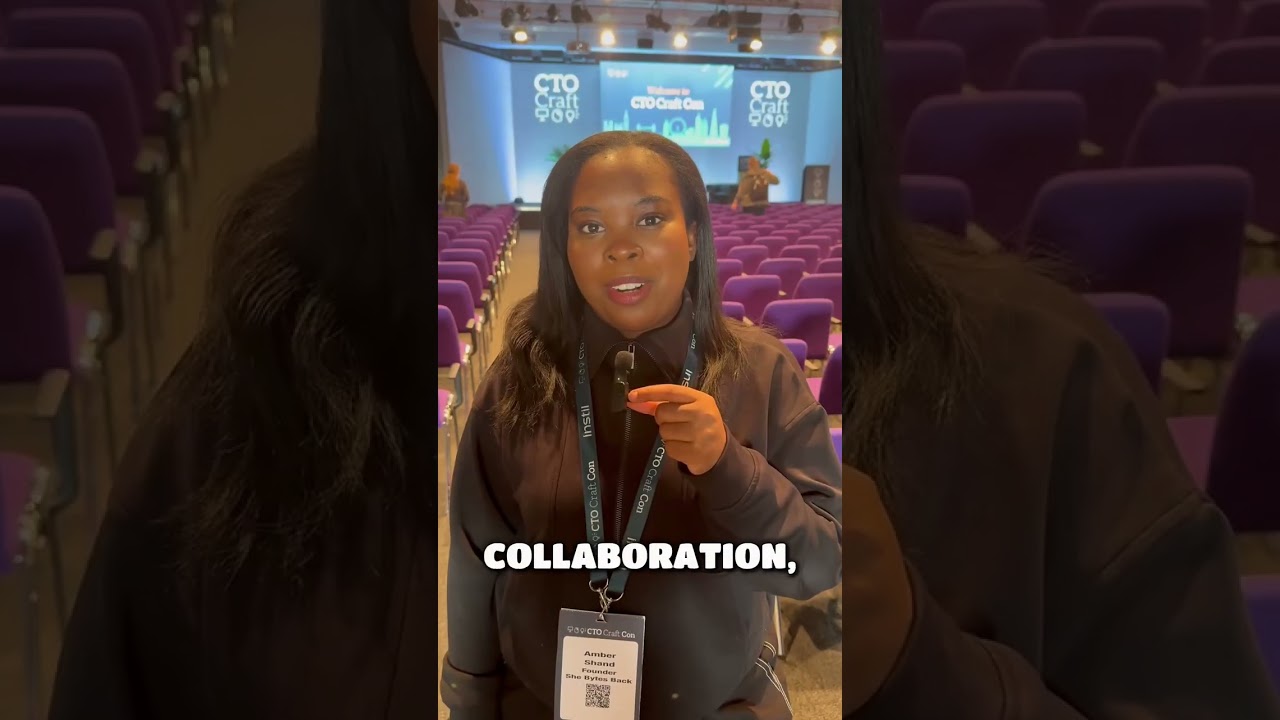
A great engineering culture requires…
0:31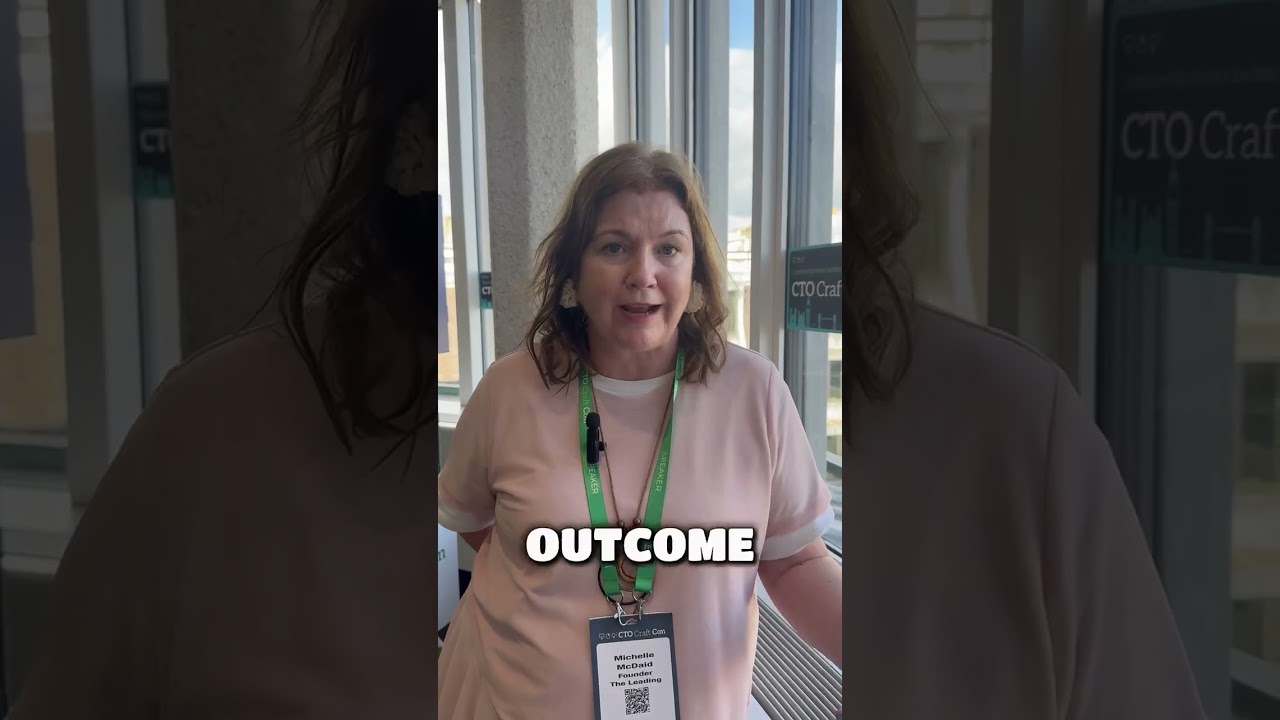
CTOs reveal the toughest part of scaling tech teams (it’s not what you think). #techleadership #cto
0:49