Built to reach the moon, neglected on Earth: The Eclipse RCP paradox
About this talk
This talk explores the Eclipse Rich Client Platform and its paradoxical status in the tech ecosystem. The speaker discusses the historical significance of the Eclipse IDE and its current role in critical systems, including space missions. They highlight the shift away from Eclipse as a primary development tool despite its ongoing importance in various projects. The speaker emphasizes the significance of sustainability in technology, pointing out that ignoring it can lead to risks in security and compliance. The discussion aims to clarify the broader Eclipse ecosystem and encourage collaboration among community members to strengthen its future.
Full transcript
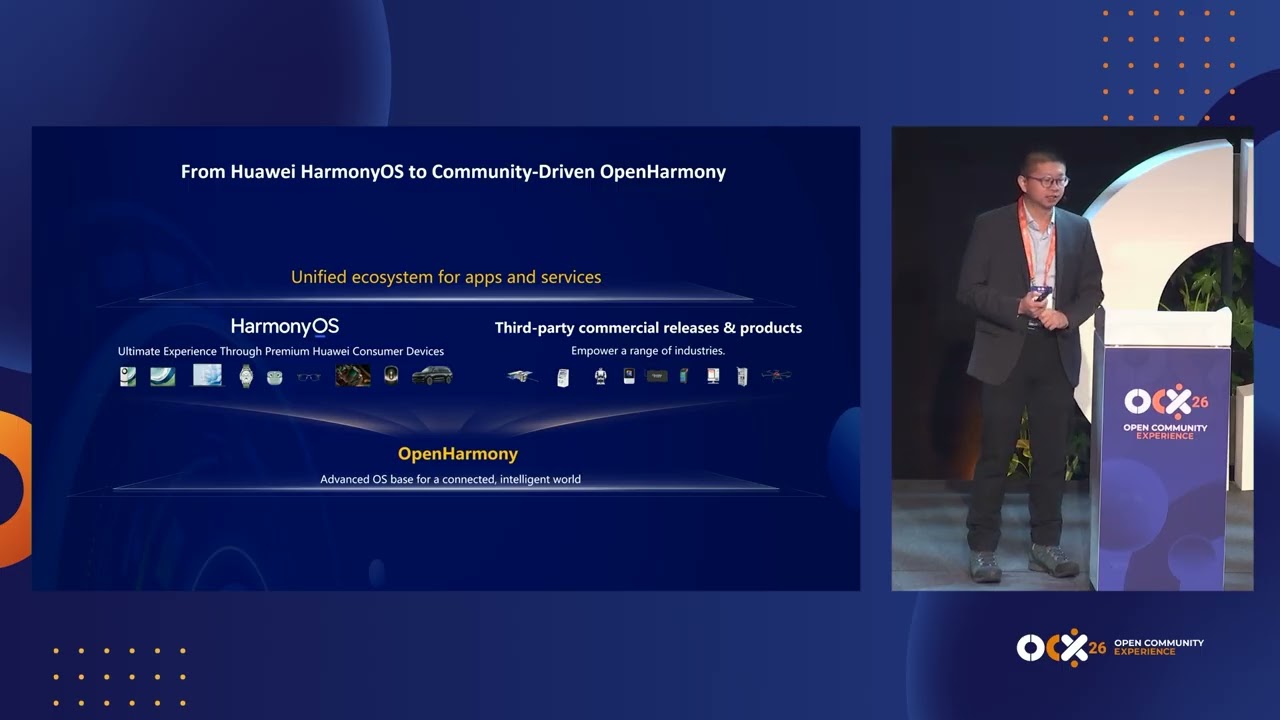
[music] >> Cool. So, built to reach the moon, neglected on earth. The Eclipse Rich Client Platform Paradox. So, when I submitted this talk a few months ago, uh everyone was talking about Artemis and going back to the moon. And I chose this metaphor, the moon, to to illustrate uh this technology um that to to Yeah, to to to illustrate a project that enable ambitious goal that must
stay stable over the long term. And I also wanted to make the point uh about what we mean exactly by the Eclipse IDE ecosystem. And long-term engineering and basically what it takes to to to build technology that lasts. Um but there are two things that I completely underestimated. Uh first of all, s- some people from the community told me, "Why do you say neglected? The the community
is alive. It's still very active, maybe even more diverse than before." And they are right. the second one is actually the moon is not a good metaphor because it's not a metaphor, it's it's a reality. Uh today, uh the Rich Client Platform is used in space mission programs. And and not only actually to go on the moon, but even on Mars. And by the way, uh I
think everyone in this room who contributed to search technology should be really proud of it. And but there is a shift. I think yeah, today there is a shift and as you know, uh the Eclipse IDE less and less used as a primary developer tool. I don't have that metrics, but probably less than 5% of the developer are still use Eclipse IDE itself. But the platform at
the same time is still there, including in some very critical systems. Uh one What I mean by critical systems it's systems where uh basically human lives are at stake. And and this is the paradox. We have uh a platform which which is being undermined by its former flagship IDE. this uh this this is There is nobody is should be blamed about that, but this this is the
the the how I see today the the situation of the Eclipse platform and the Eclipse IDE. So basically we have this situation where what we see is moving fast, so we have heard so many talk over the last few days on AI and so on. What we run is uh is still there. it's still there and it should probably it will stay for years and maybe for
decades. And what we depends on is uh rely on a model which which is heavily under pressure. So, let let's be a bit more concrete. I recognize many people in this room who are very familiar with the Eclipse IDE ecosystem. So, I will probably state the obvious for you. But, it's not always obvious for everybody. What we call Eclipse IDE it's Eclipse ecosystem and it includes basically
the for the 84 project that can be delivered as part of what we call the simultaneous release. I think it includes IDE technologies, platform, um OS agnostic technologies like debug adapter protocols, long web server protocols, Java dev tools, and sometimes technology that are used in other IDEs, not only in the Eclipse IDE that all the all the people know. And it's worth to to be very clear
and to clarify this this is the the ecosystem we're talking about here. So, let's make a quick focus on sustainability. So, I know this word it's a bit boring. We We hear this word at basically each open source conferences. Sustainability is beyond that. What do we have? We are It's a It's a If you don't care about sustainability, you you it means you you you don't manage
risk. security depends on it. Compliance depends on it. And basically long-term maintenance of any product we relying on this technology depends on it. And this this is where we are today. I know that uh we this is a technology we all trust. and I assume that most of the people who are in this room today uh, have used the IDE, but now they are they trust the
technology and they are probably have and very often they have products relying on the risk in platform. But situation today is that uh, this uh, technology is supported by this uh, what we call the Eclipse IDE working group and probably we should call it the Eclipse IDE and ecosystem and platform working group to be very, very clear of that. You see these 13 company here who are
member of the Eclipse IDE working group. And we know that dozens of them are not in this group of people. So, my my message today is okay, we if you rely on any of building block, any of these projects and you are already part of this story. So, please make contact with me. You have the Eclipse IDE ecosystem working group available. This is That's all that's my
only message today. I'm ready to answer any question about >> [music]